Mr Tom Holland
Consultant Gynaecologist
Specialist expertise: Emergency Gynaecology, Gynaecological Ultrasound, Minimally Invasive Surgery, Gynaecology, Early Pregnancy Assessment, Endometriosis, Fibroids, Ovarian Cysts.
Endometriosis is a gynaecological condition where tissue similar to the lining of the uterus (womb) grows elsewhere in the body. It can cause pelvic pain, heavy periods and other symptoms, and can make it harder to get pregnant.
Endometriosis is a relatively common condition, affecting 1 in 10 women in the UK – that’s over 1.5 million people.
The condition is defined by the presence and growth of cells that are similar to endometrial tissue (the tissue that lines the womb) outside the womb. These growths are called lesions.
Endometriosis most commonly affects the lining of the pelvis (peritoneum) and may also occur in the ovaries and involve other pelvic organs, like the bowel or bladder. While less common, endometriosis can also be found in areas outside of the pelvis, such as in the chest.
Our specialist gynaecologists see patients with endometriosis in our purpose-built Women’s Health centre, where they offer the most advanced care in both diagnostics and treatment.
There are different types of endometriosis, and it’s possible to have more than one type. The name of each type refers to the location, amount and depth of the lesions.
The 4 types of endometriosis are:
peritoneal (superficial) endometriosis - is the most common form of endometriosis. This is where lesions are found mainly on the pelvic peritoneum, a thin film that lines the inner surface of the pelvis and surrounds the pelvic organs. These lesions are small and superficial, with a depth of invasion of no more than 5 mm
ovarian endometriosis (endometrioma) - is when endometriosis cysts are found in the ovaries. Lesions can vary in size from a few mm to several cm
deep endometriosis - is found in locations such as the bladder, bowel and recto-vaginal septum (the tissue separating the vagina and the rectum). These lesions are at a level deeper than 5mm
extra-pelvic endometriosis - is when lesions are found outside of the pelvis, such as the chest and caesarean scars. While endometriosis is relatively common within the pelvis, extra-pelvic endometriosis is considered to be rare
Endometriosis has many symptoms, and these can widely range from person to person.
The main symptoms of endometriosis to look out for are:
Endometriosis is a complex condition, and what causes it isn’t fully understood. However, experts believe that several factors may contribute to its development. These include:
retrograde menstruation – this is where menstrual blood containing some endometrial cells flows backwards, through the fallopian tubes and into the pelvic cavity. This results in endometrial-like cells being deposited outside the uterus, where they then implant and grow on organs in the pelvis
genetics – some research suggests that endometriosis can be passed down through genes. This means you may be more likely to develop endometriosis if someone else in your family has the condition. What causes this remains unclear
other causes – including endometrial cell transport, immune dysfunction, environmental causes and cellular metaplasia
Factors that increase your risk of having endometriosis include:
If you have any symptoms of endometriosis, we recommend making an appointment with one of our consultants in our outpatient Women’s Health centre. At a consultation, your specialist will ask you about your symptoms, take your medical history, perform a pelvic examination, and may also run some other tests.
In most cases, your consultant will perform a pelvic ultrasound to identify other causes of pelvic pain and, in particular, to look for endometriosis in the ovaries, where it can cause cysts called endometriomas. In some cases, particularly if severe endometriosis is suspected, a more detailed MRI scan may be helpful.
Currently, the only sure way to make a definite diagnosis of endometriosis is to perform a laparoscopy. This is a surgical procedure where a small camera is inserted through the belly button to look for lesions. This approach not only allows for accurate assessment of the pelvis, but can also be used to treat endometriosis at the same time, by removing or destroying lesions.
Currently, there is no known way to prevent endometriosis. If you suspect you have endometriosis, it’s important to seek a diagnosis as soon as you can, as early management and treatment may help to slow, or even halt, the progression of the condition and reduce your symptoms long-term.
A common concern for many women with endometriosis is how the condition might affect their fertility. Unfortunately, endometriosis is a leading cause of infertility, as the tissue that grows outside of the womb can interfere with how an egg and sperm move within the reproductive system to meet each other for conception.
In addition to this, endometriosis can cause severe pain that can disrupt your daily life and have a negative impact on your overall wellbeing. Depending on where tissue grows, endometriosis can also lead to complications like bowel and bladder problems and shortness of breath or chest pain.
The type of endometriosis treatment you may be offered depends on the severity of your diagnosis, your medical history and your unique needs.
At Welbeck, our consultants offer tailored treatment plans that take these factors into account to ensure you receive the most appropriate and effective care possible.
Treatment options for endometriosis include:
At Welbeck, our consultant gynaecologists and women’s health specialists are experts in their field and are dedicated to providing world-class care to every patient.
With access to colleagues across other specialities, our consultants are also able to refer within the Welbeck ecosystem if needed to ensure you receive the best possible treatment as quickly as possible, all under one roof.
All appointments, testing, treatment, and follow-up appointments take place within our state-of-the-art facilities, enabling us to deliver accurate diagnostics and advanced treatments.
Your health is important to us, so we strive to offer same-day appointments whenever possible.
Our consultants are recognised by the major health insurance companies. If you have private health insurance, your treatment at Welbeck can begin once you have obtained authorisation. We also provide care to self-paying patients. Learn more about the different payment options at Welbeck.
It’s very common for endometriosis to be undiagnosed or misdiagnosed. If you think you may have endometriosis, or if you have any symptoms you’re worried about, make an appointment with one of our specialists today, who will be more than happy to provide you with a second opinion.
While endometriosis can affect your chances of getting pregnant, more than 7 in 10 people with mild to moderate endometriosis will get pregnant without treatment.
The impact that endometriosis can have on fertility varies widely from person to person – both how severe the condition is and where it’s growing determine how difficult you may find it to get pregnant.
If you have endometriosis and want to try to get pregnant, or have been trying for a while without success, speak to one of our consultants about your treatment options.
Endometriosis-related complications during pregnancy are rare, but there is a correlation between having the condition and an increased risk of placenta praevia (low-lying placenta). This is where the placenta attaches lower down in the womb than usual, and in most cases, results in the need for a planned caesarean birth.
While many women find that their endometriosis symptoms reduce after menopause, the condition can still cause discomfort and pain. It isn’t typical to develop endometriosis after menopause, but if you didn’t know you had the condition before, it may be discovered as a result of symptoms being aggravated by hormone replacement therapy (HRT).
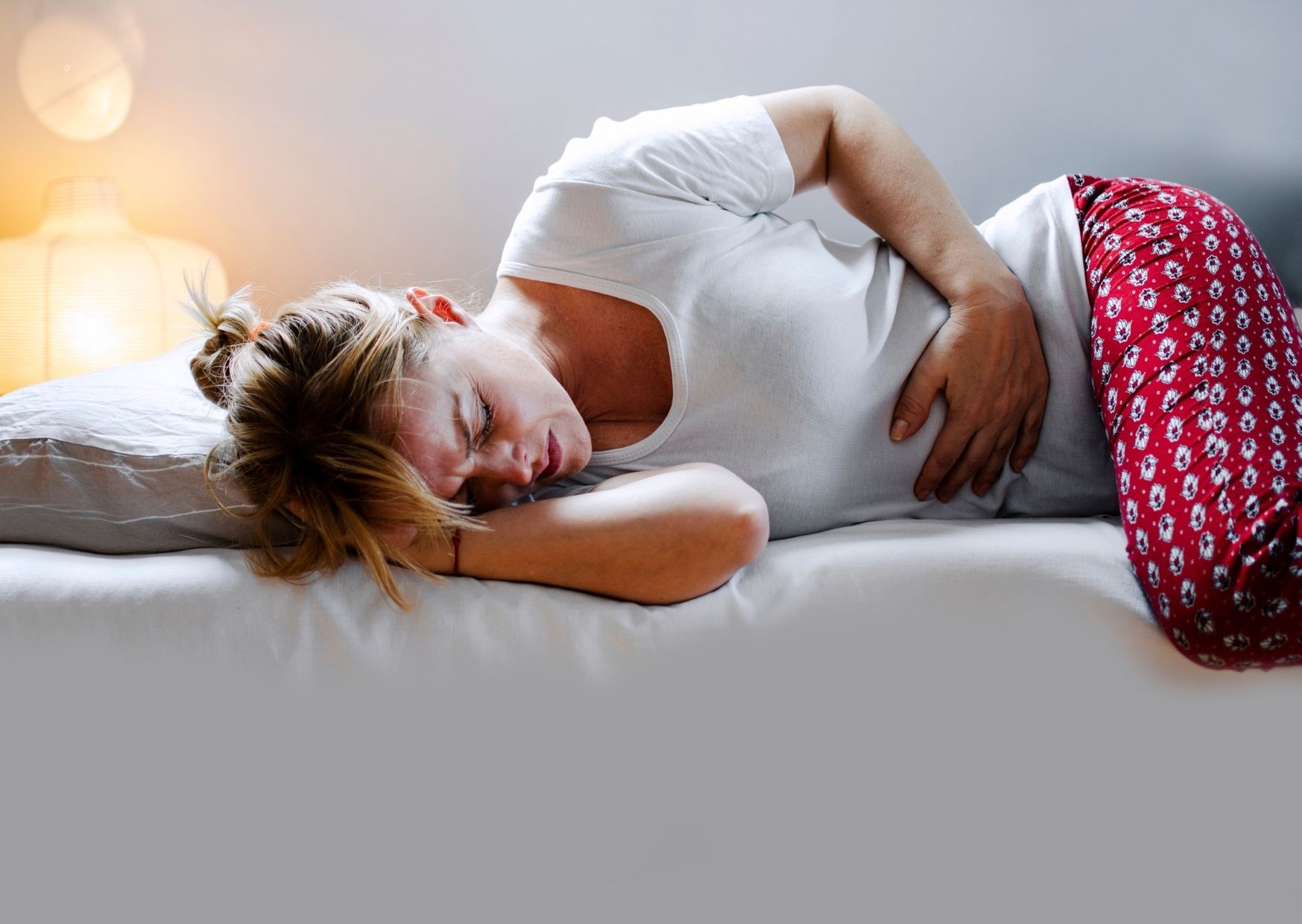
What is endometriosis?
What are the symptoms of endometriosis?
What causes endometriosis?
How is endometriosis diagnosed?
How to prevent endometriosis
What complications can endometriosis cause?
What are the treatment options for endometriosis?
Why choose Welbeck?
Book your private consultation
FAQs
We have brought together a group of leading gynaecologists and breast specialists to form our Women’s Health team. With over 200 years of combined experience, these expert clinicians are the best in their field and are all focused on delivering the very best patient care.