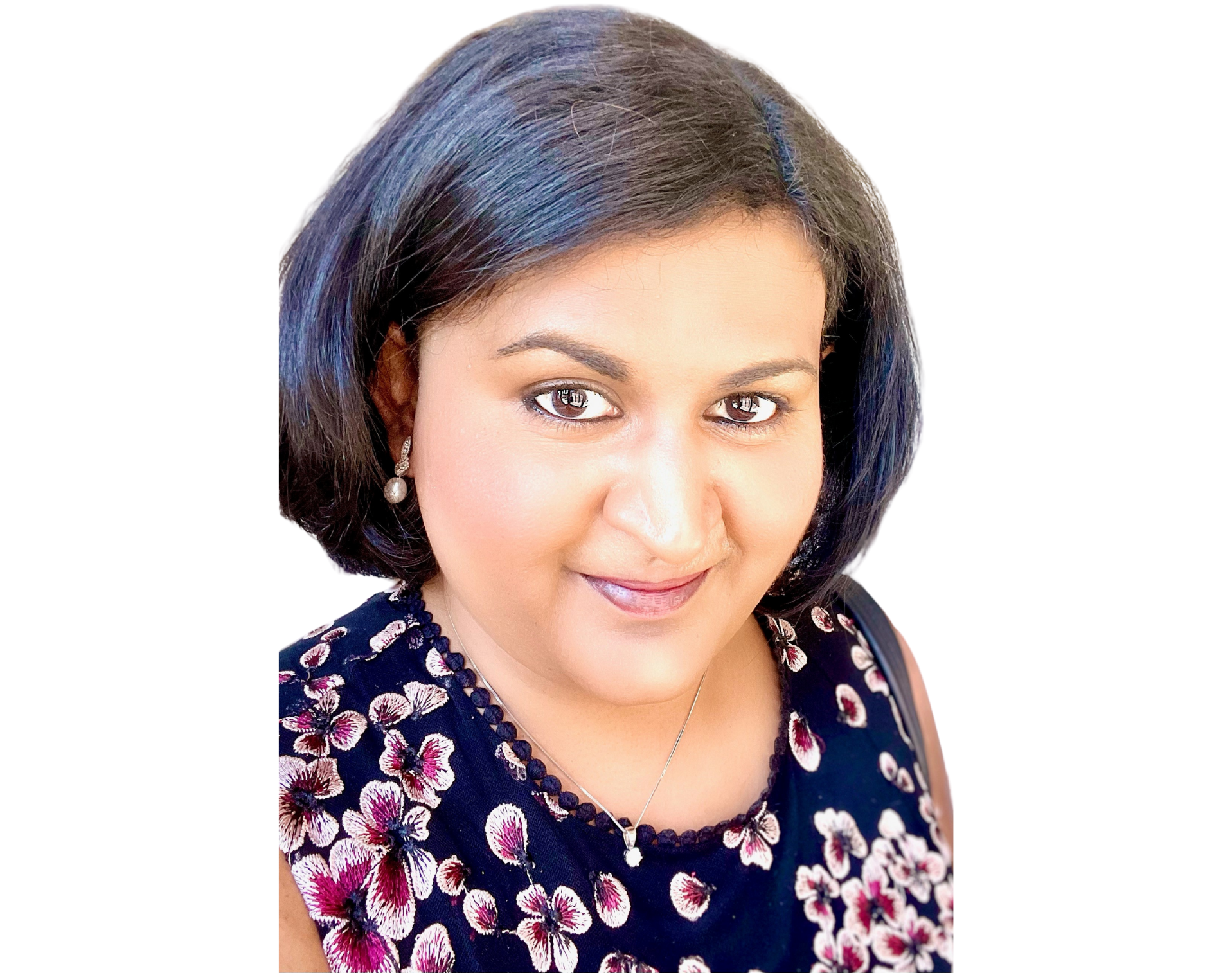
Dr Shruthi Konda
Specialist expertise: Respiratory Medicine, Breathlessness, Cough, COPD, COVID/Post-COVID syndromes, Respiratory Infections, Sleep Disorders, Snoring, Respiratory Failure, Home Ventilation, General Respiratory Medicine.
Sleep is not a luxury. It is a biological necessity. Yet for millions of people — particularly women and those of Asian descent — sleep disorders remain under-recognised, under-diagnosed, and under-treated. The result is avoidable suffering and long-term health consequences that extend far beyond the bedroom.

Sleep is not a luxury. It is a biological necessity. Yet for millions of people — particularly women and those of Asian descent — sleep disorders remain under-recognised, under-diagnosed, and under-treated. The result is avoidable suffering and long-term health consequences that extend far beyond the bedroom.
We now have compelling evidence that women do not sleep the same way as men. On average, women take longer to fall asleep, sleep for fewer hours, and experience more fragmented nights — even though they often achieve more slow-wave (deep) sleep.
Across the lifespan, sleep in women is shaped by powerful biological transitions: puberty, pregnancy, the post-partum period and menopause all place unique demands on sleep regulation. These physiological changes are frequently compounded by social and cultural pressures, caregiving responsibilities, and work patterns that further erode sleep quality.
Unsurprisingly, women are disproportionately affected by sleep disorders. Insomnia, restless legs syndrome, and circadian rhythm disorders are all more common in women, with insomnia risk rising sharply from puberty onwards. Restless legs syndrome increases twofold from pregnancy through menopause.
Shift work disorder is also more prevalent in women, reflecting gendered employment patterns and caregiving roles. The consequences are not benign: shift work in women is associated with increased risks of breast and endometrial cancer, and almost 70% of women with breast cancer report significant sleep problems. Chronic sleep disruption is also linked to higher rates of cardiovascular disease, metabolic illness and premature mortality.
Despite this, women are routinely underdiagnosed. Disorders such as obstructive sleep apnoea (OSA) and narcolepsy often present differently in women than in men. Rather than loud snoring and witnessed apnoeas, women commonly report fatigue, low mood, insomnia, and unrefreshing sleep.
Without sex-specific screening tools, these symptoms are frequently misattributed to anxiety or depression, delaying accurate diagnosis and effective treatment. The cost of this delay is substantial: untreated sleep apnoea in women is associated with increased risks of cardiovascular disease when compared with men.
A similar diagnostic blind spot exists for people of Asian descent. Research consistently shows that Asian populations experience shorter sleep duration and poorer sleep quality overall, alongside significant disparities in sleep apnoea and insomnia.
Importantly, people of Asian ancestry often develop more severe OSA than Caucasian patients of the same age and body mass index. Differences in craniofacial structure mean that OSA may occur even in the absence of obesity — a fact that is frequently overlooked in clinical practice.
For many Asian patients, sleep disorders intersect with already elevated risks of cardiovascular disease, diabetes and metabolic syndrome. South Asian populations, in particular, tend to accumulate visceral fat at lower body weights, increasing cardiometabolic risk. When sleep disorders go undiagnosed or untreated, these risks are amplified. Early identification and personalised treatment are therefore not optional — they are essential.
At Welbeck, we believe that sleep medicine must move beyond a one-size-fits-all approach. Recognising how sleep disorders present differently in women and across ethnic backgrounds is fundamental to delivering accurate diagnoses and effective, personalised care. Better sleep is better health — and for too many patients, it begins with being properly seen, heard, and understood.
To book a consultation with a Welbeck specialist, get in touch with our dedicated Sleep Centre. We strive to offer same- and next-day appointments wherever possible, to help get you on the road to beyond better health.
Dr Konda is a Consultant Respiratory Physician at the Royal Brompton Hospital. She is the Linacre Fellow at the Royal College of Physicians, an Educational Lead of the British Sleep Society, and has been elected to represent sleep research and education at a European level by her peers.