
Mr Ryan Chin Taw Cheong
Specialist expertise: Ear, Nose and Throat, Sleep Apnoea, Snoring, Rhinology, Sleep, Sleep Disorders.
Snoring and sleep apnoea are often talked about together, and for good reason – they’re closely linked, but they aren’t the same condition.
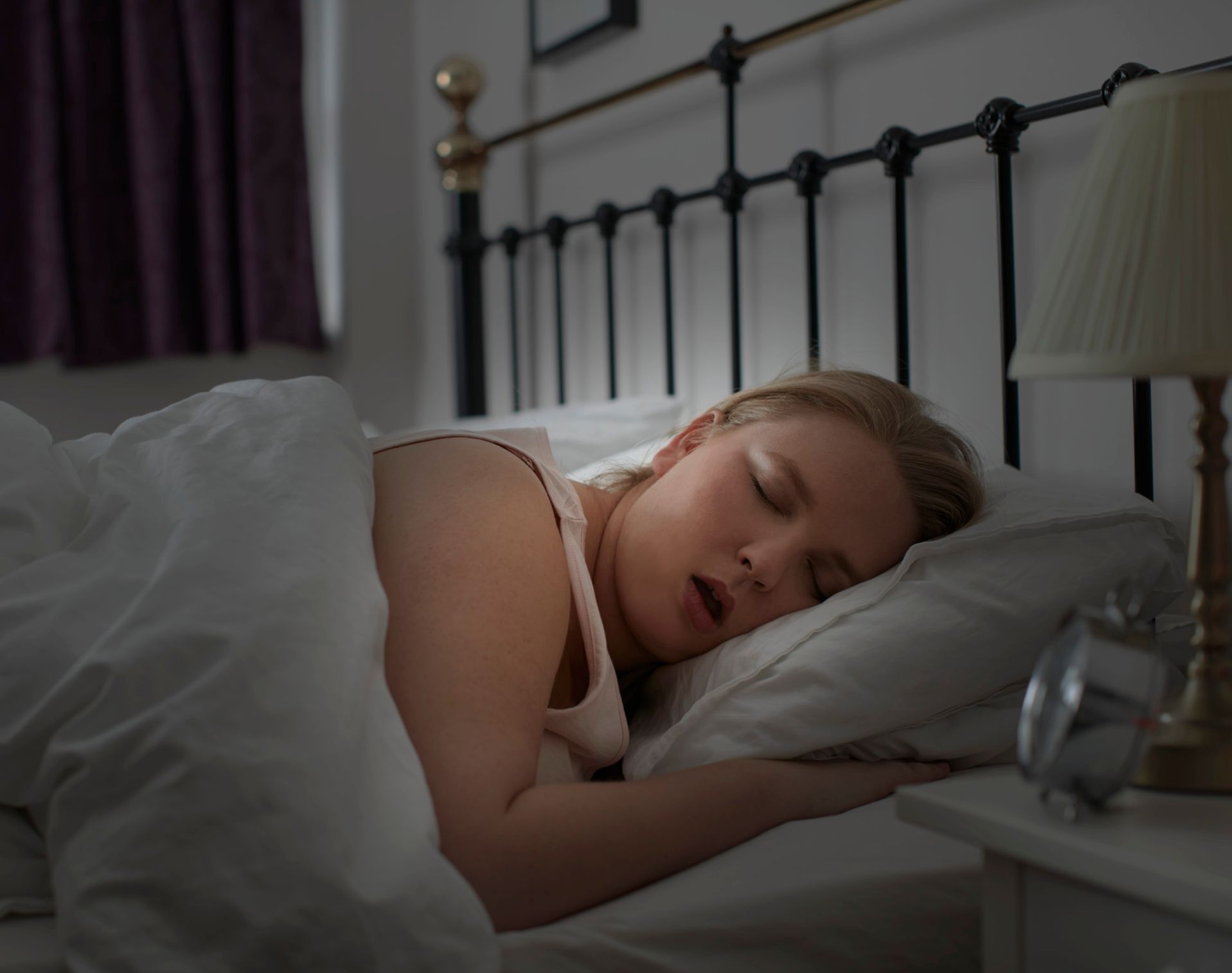
Snoring is extremely common and, for many people, it’s harmless. It can be annoying, disruptive, and frustrating, especially for anyone sharing a bed, but it doesn’t always point to a medical problem. Sleep apnoea, on the other hand, is a recognised sleep disorder that can have serious effects on your health if it’s left untreated.
The challenge is that snoring is one of the most obvious symptoms of sleep apnoea. This can make it hard to know when snoring is simply a nuisance and when it may be a sign of something more serious. Both conditions can affect sleep quality, mood, and concentration, and both may benefit from treatment to help improve your wellbeing.
Understanding the differences between snoring and sleep apnoea can help you recognise when it’s time to seek medical advice. In this article, we’ll explain these key differences, how each condition is commonly treated, and help you understand when snoring needs further assessment. At Welbeck, our ENT, respiratory, and sleep specialists offer expert diagnosis with rapid access to reassurance, clear answers, and the right next steps to improve your sleep quality.
Snoring happens when there’s a partial blockage of the upper airway during sleep. As you breathe in and out, air has to pass through a narrowed space at the back of the throat. This causes the soft tissues, such as the soft palate, uvula, and tongue, to vibrate, creating the familiar snoring sound.
Snoring often varies from night to night. It may be louder when you’re sleeping on your back, after drinking alcohol, when you’re unwell, or if you’re particularly tired. In many cases, snoring is linked to temporary or lifestyle-related factors, rather than an underlying medical condition.
Typical symptoms of snoring include:
noisy breathing during sleep
snoring that’s worse when sleeping on your back
snoring that fluctuates depending on alcohol use, congestion, or tiredness
Snoring is commonly associated with:
nasal congestion from colds, allergies, or sinus problems
alcohol use, especially in the evening
weight gain
anatomical factors such as enlarged tonsils or a deviated septum
Importantly, simple snoring does not involve pauses in breathing or a drop in oxygen levels. While it can disrupt sleep, people who snore usually wake feeling reasonably refreshed and function well during the day. In many cases, it’s someone sharing the bedroom who feels more tired, rather than the person who snores.
Sleep apnoea is a sleep disorder in which breathing repeatedly stops and starts during sleep. The most common type is obstructive sleep apnoea (OSA), which happens when the airway becomes completely, or almost completely, blocked as the muscles of the throat relax.
Unlike snoring alone, sleep apnoea involves repeated interruptions to breathing. These episodes can last several seconds and may occur many times an hour. Each pause can cause oxygen levels in the blood to fall, briefly waking the brain to restart breathing, even if the person isn’t aware of it.
Common symptoms of sleep apnoea include:
loud, habitual snoring with pauses in breathing
choking, gasping, or snorting sounds during sleep
excessive daytime sleepiness
waking unrefreshed, despite spending enough time in bed
waking with headaches
poor concentration and memory
Sleep apnoea is often linked to conditions such as high blood pressure, heart disease, type 2 diabetes, and an increased risk of accidents. It’s also often underdiagnosed, as many of the key symptoms happen during sleep and are first noticed by a partner rather than the patient.
Snoring | Sleep apnoea |
|---|---|
Noise during sleep without pauses in breathing | Snoring combined with repeated pauses in breathing |
Oxygen levels usually remain normal | Oxygen levels drop repeatedly during the night |
Minimal daytime symptoms | Waking unrefreshed with daytime sleepiness |
Often noticed by a partner, rather than the person snoring | Changes in concentration and mood |
Although snoring can often be harmless, there are certain signs to look out for that may mean your snoring needs further assessment.
Signs that suggest snoring may be linked to a more serious sleep condition include:
witnessed pauses in breathing during sleep
excessive daytime sleepiness
waking feeling unrefreshed most mornings
high blood pressure alongside snoring
If any of these signs are present, assessment is strongly recommended to help rule out sleep apnoea and guide appropriate treatment.
At Welbeck, snoring is assessed and treated in our dedicated Ear, Nose & Throat centre. Any treatment recommended will depend on the underlying cause and how much the snoring is affecting your sleep and wellbeing.
Management may include lifestyle changes such as weight management, reducing alcohol intake, and adjusting sleep position. Nasal treatments, including saline sprays or treatment for allergic rhinitis, may help if congestion is contributing.
An ear, nose and throat assessment may identify a structural cause, such as nasal blockage or enlarged tissue, where targeted surgical treatment may be appropriate.
A drug-induced sleep endoscopy (DISE) will be able to evaluate the specific level and pattern of upper airway narrowing as the cause for snoring to allow for personalised and tailored treatment.
Effective treatment for sleep apnoea not only improves symptoms but also supports long-term health. When left untreated, sleep apnoea is linked to an increased risk of serious health complications, including high blood pressure, diabetes, stroke, and heart attacks.
At Welbeck, sleep apnoea is assessed and treated by our ENT and respiratory specialists within our dedicated Sleep Centre. Diagnosis usually begins with an initial consultation and blood tests, followed by a sleep study. We offer a wide range of sleep studies, including SUNRISE, NOX T3, and polysomnography, many of which can be carried out in the comfort of your own home. In some cases, more detailed in-centre assessments may be recommended, depending on your symptoms and clinical needs.
Treatment options depend on the type of sleep apnoea you have and how severe your condition is. The gold-standard treatment for moderate to severe obstructive sleep apnoea is continuous positive airway pressure (CPAP) therapy. This involves wearing a mask connected to a machine that delivers a steady flow of air through your nose and/or mouth overnight, helping keep the airway open and reducing snoring.
Alternative treatment options may include:
hypoglossal nerve stimulation – a modern technique that uses an implanted device to keep the airway open during sleep. This treatment is delivered by our ENT specialists
mandibular advancement devices – specially fitted mouthguards designed to move the lower jaw forward during sleep
positional therapy – where devices or behavioural strategies encourage side-sleeping
lifestyle changes, such as weight management
ENT sleep surgical intervention to the nose, palate, throat and tongue
Hypoglossal nerve stimulation is an innovative alternative to CPAP, offered by Welbeck’s ENT specialists. During a day-case procedure, a small device is implanted to gently stimulate the tongue and keep the airway open during sleep – improving sleep quality, without the need for a mask.
Not all snoring is harmful, but persistent or loud snoring, especially when it’s accompanied by daytime symptoms, shouldn’t be ignored. If you’re concerned about your sleep or notice signs of sleep apnoea, specialist assessment can help identify what’s affecting your sleep and how it can be improved.
Booking an appointment with a Welbeck ENT sleep surgeon or respiratory specialist is a positive step towards achieving better sleep, improved wellbeing, and good long-term health. Get in touch with our Sleep Centre, to make an appointment.
Mr Cheong is a multi-award-winning Consultant ENT and Specialist Sleep Surgeon. He is currently the only Consultant ENT Surgeon in London and the United Kingdom (UK) with a full-time NHS practice exclusively in snoring and obstructive sleep apnoea. He has been featured on the BBC, Sky News, The Times, The Guardian, and other major media for his pioneering work in snoring and sleep apnoea.